
The stiffness seen in RA is worst in the morning and may last one to two hours or throughout the entire day.
Other symptoms
- Loss of energy
- Low grade fever
- Loss of appetite
- Dry eyes and mouth from an
associated condition known as Sjogren’s syndrome
Firm lumps, called rheumatoid nodules, which grow beneath the skin in areas such as elbow and hand.
How to diagnose?
There is no single test used to diagnose rheumatoid
arthritis. Instead, the diagnosis is based upon many factors, including the
characteristic signs and symptoms, the results of laboratory tests, and the
results of x-rays.
· Swelling of three or more joints for at least six weeks
· Swelling of the wrist, metacarpophalangeal (MCP), or proximal interphalangeal (PIP) joints for
at least six weeks
· Swelling of the same joints on both sides of the body
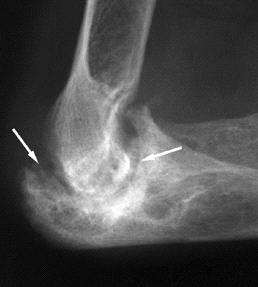
· Changes in hand x-rays that are characteristic of rheumatoid arthritis
· Rheumatoid nodules of the skin
·
How is rheumatoid arthritis treated?
The aim of RA treatment is to control a patient's signs and symptoms, and to maintain their quality of life and ability to function. Joint damage caused by RA generally occurs within the first two years of diagnosis, and it is difficult to predict which individuals will develop long-term complications. Therefore, the initial treatment of RA aims to eliminate or minimize inflammation. However, the risk of side effects from treatment must be weighed against the benefits. Treatments that can potentially stop joint damage are generally recommended for all patients with RA.
NONPHARMACOLOGIC THERAPIES —
Nonpharmacologic therapies include treatments other than medications, and are the foundation of treatment for all people with RA. There are a wide variety of nonpharmacologic therapies available. They include:
·
Education
and counseling ·
Rest-
Fatigue is a common symptom of RA. Resting inflamed joints by taking naps often
helps restore energy. Rest can often be alternated with exercise. ·
Exercise
- Pain and stiffness often prompt people with RA to become inactive.
Unfortunately, inactivity can lead to a loss of joint motion, contractions, and
a loss of muscle strength. Weakness, in turn, decreases joint stability and
further increases fatigue. Regular exercise can help prevent and reverse these
effects. ·
Physical
therapy — Physical therapy can relieve pain, reduce inflammation, and
help preserve joint structure and function for patients with RA. Specific
types of physical therapy are used to address specific effects of RA:
· The application of heat or cold can relieve pain or stiffness
· Ultrasound may reduce inflammation of the sheaths surrounding tendons (tenosynovitis)
· Passive and active exercises can improve and maintain range of motion of the joints
· Rest and rest splinting can reduce joint pain and improve joint function
· Finger splinting can prevent deformities and improve hand function
· Relaxation techniques can relieve secondary muscle spasm
DRUG THERAPY –
This is the cornerstone of therapy for RA. Several classes of drugs are used to treat rheumatoid arthritis: Non-steroidal antiinflammatory drugs (NSAIDs), disease modifying antirheumatic drugs (DMARDs), biologic response modifiers, steroids, and if needed, analgesics.
